




Wildfire Resilience
Planning for Fire-Adapted Futures
Science-based strategies For risk reduction, recovery, and resilience.
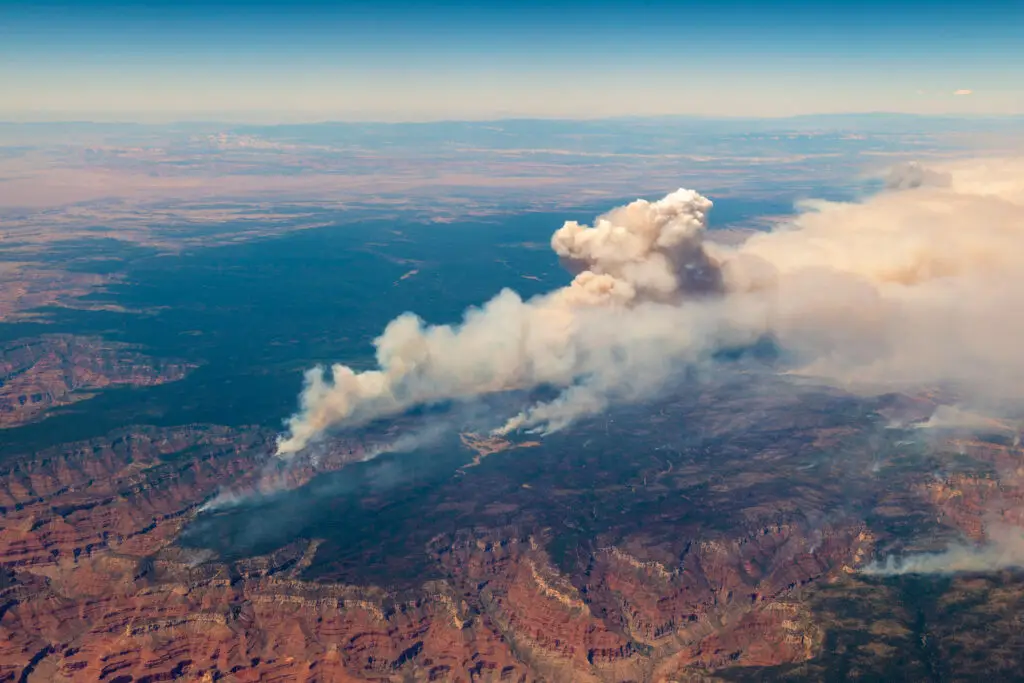
As wildfires grow more frequent and severe worldwide, they are reshaping landscapes, threatening lives and livelihoods, and overwhelming conventional risk-management approaches. SIG-NAL’s Wildfire Resilience Program advances innovations for fire-adapted futures, from local communities to international initiatives. By integrating cutting-edge analytics and collaborative planning, we help communities and land managers prepare for, respond to, and recover from wildfire.
How
We Do It
Methodology
We promote fire-adapted landscapes through science-based planning, AI-enabled analytics, remote sensing, and collaborative decision-making. Our process helps communities and land managers anticipate risk, prepare for wildfire, and respond effectively as conditions change.
Expertise
We bring cross-disciplinary expertise to develop wildfire planning, analytics, and tool development to support long-term resilience.
Initiatives
Wildfire Resilience work

AI Collaborative: Wildfires
The AI Collaborative: Wildfires (AIC:W) is a global, cross-sector initiative launched by Google.org to harness artificial intelligence for transformational wildfire preparedness, detection, and risk reduction. It involves coordinated funding and partnership with more than 15 leading nonprofits, academic institutions, government agencies, and technology organizations.

Planscape
Planscape is an open-science decision-support platform for wildfire resilience planning. Built on best-available science—including the USDA Forest Service’s ForSys model, Forest Vegetation Simulator
Regional Wildfire Mitigation Program
The Regional Wildfire Mitigation Program (RWMP) Landscape Domain is a landscape-scale approach to reducing wildfire risk by integrating fire science, ecosystem restoration, and community stewardship.
KaiGeoCon
KaiGeoCon is an initiative selected as one of 12 finalists by Conservation X Labs for its potential to transform how communities prepare for and manage wildfire risk.